Top Roofing Materials for Dane County Homes
Dane County Homeowner Guides, best roofing materials Wisconsin, asphalt shingles Dane County, metal roofing Wisconsin, impact resistant shingles Wisconsin, roofing materials Stoughton WI
Badger Roofing of Wisconsin | Dane County Homeowner Guides
Best Roofing Materials for Wisconsin Weather in 2026
Published by Badger Roofing of Wisconsin | Stoughton, WI | (608) 575-3416
Choosing the wrong roofing material for Wisconsin’s brutal freeze-thaw cycles, ice dams, high winds, and hail can turn a new roof into an expensive, early-failing mistake.
If you own a home in Stoughton, Dane County, or nearby communities, your roof has to handle heavy snow, spring and summer storms, and wide temperature swings that punish weak materials. In 2026, the best roofing materials for Wisconsin are the ones that balance durability, weather resistance, and long-term value—not just the lowest upfront price per square foot.
This guide explains which roofing materials Stoughton WI homeowners should consider, how each option performs in snow, ice, wind, and hail, and when it makes sense to pay more for premium systems like Class 4 shingles or metal. We will focus on what actually works on real homes in our area—not generic national advice written for mild climates.
Dane County and Rock County sit in one of Wisconsin’s most active hail and wind corridors. At Badger Roofing of Wisconsin, we have replaced and repaired roofs across Stoughton, Oregon, Cottage Grove, Fitchburg, McFarland, Edgerton, Evansville, Milton, Madison, Janesville, Sun Prairie, Fort Atkinson, and Monona. The recommendations below are based on what has held up on those roofs—and what has failed—through real Wisconsin winters and storm seasons.
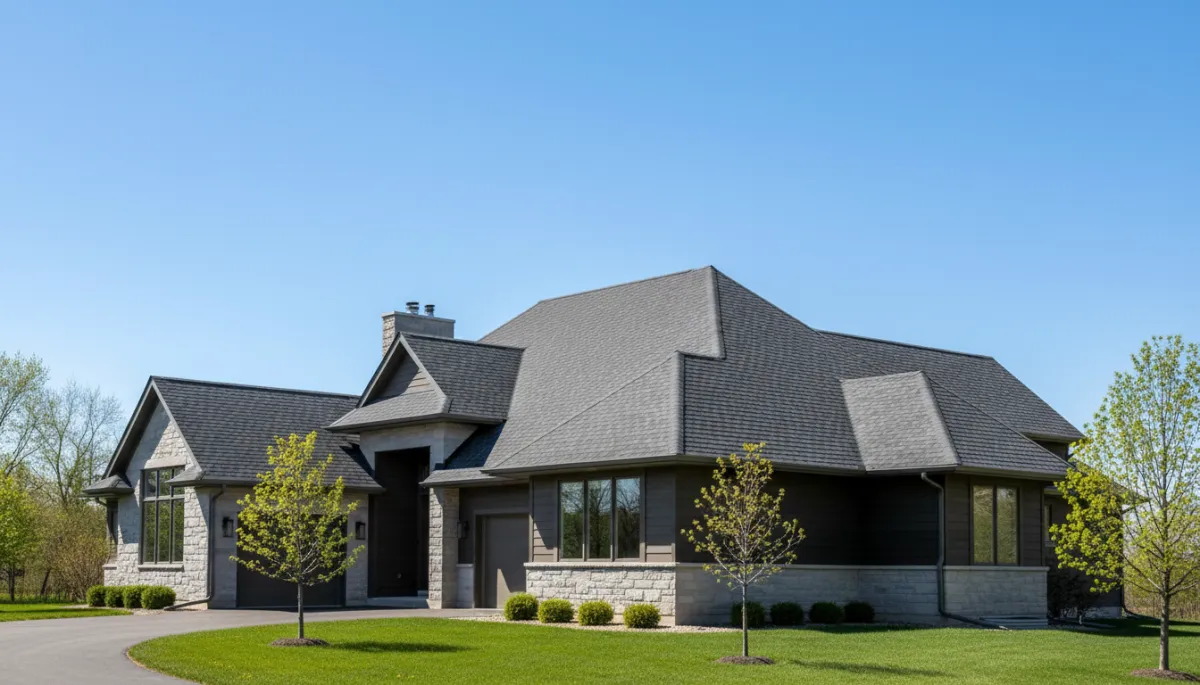
A properly installed architectural asphalt shingle roof can handle years of Wisconsin snow, wind, and hail.
Why Does Wisconsin Weather Demand the Right Roofing Material?
Wisconsin’s climate is not gentle on roofs. Repeated freeze-thaw cycling forces meltwater into tiny openings, then expands as it refreezes, prying apart weak shingles, flashing, and sealants. Over several winters, this process can turn a marginal installation into chronic leaks and interior damage.
Ice buildup along eaves creates ice dams, where warm attic air melts snow higher on the roof, then water refreezes at the colder edge. When the dam traps water, it can back up under shingles and into your home unless the roof system includes proper underlayments and ventilation. Add in high winds, heavy snow loads, and repeated hail events in Dane County and Rock County, and it is clear that marginal materials are a poor investment here.
Our region also sees dramatic temperature swings, from subzero wind chills in January to hot, sunny days in July. Roofs expand and contract with these changes, which can crack brittle products or loosen fasteners over time. Materials that perform well in mild coastal or southern climates often fail early in Wisconsin. That is why we design every roof as a complete system—shingles, underlayments, ventilation, and flashing—to stand up to storm damage, hail damage, and decades of freeze-thaw cycles.
Are Architectural Asphalt Shingles Still the Wisconsin Standard?
For most homes in Dane County, the answer is yes. Architectural asphalt shingles—also called architectural/dimensional shingles—remain the most common choice because they balance cost, appearance, and performance in our climate.
How do architectural shingles perform in Wisconsin weather?
Modern laminated shingles are thicker and heavier than old three-tab products. That extra weight helps them resist wind uplift and provides better shadow lines that mimic wood shakes. Properly installed, quality architectural shingles typically offer a 25–30 year service life in Wisconsin, assuming good attic ventilation and timely roof replacement when they near the end of their life.
What about wind ratings and cold-weather performance?
Many leading shingle lines carry wind ratings of 110–130 mph when installed with the manufacturer’s nailing pattern and accessories. That level of performance is important during the severe thunderstorms and straight-line wind events we see across Dane and Rock Counties. Quality shingles also maintain flexibility in cold temperatures, reducing cracking during winter and early spring installations.
Which brands does Badger Roofing recommend?
We frequently install proven lines such as GAF Timberline HDZ and Owens Corning Duration on homes throughout Stoughton, Madison, and the surrounding communities. Both offer strong warranties when installed by a qualified contractor, along with optional Class 4 impact-resistant versions for homeowners who want additional hail protection. For many families, these shingles are the best combination of value and performance in 2026.
Are Impact-Resistant (Class 4) Shingles Worth It in Dane County?
A Class 4 impact-resistant shingle is tested to withstand the impact of a two-inch steel ball dropped from 20 feet without cracking. In practical terms, that means the shingle is designed to better handle moderate hail without losing its protective granules or exposing the asphalt mat. For homeowners in our hail-prone corridor, impact resistant shingles Wisconsin can significantly reduce the frequency of storm-related roof replacements.
Dane County and Rock County have seen repeated severe hailstorms over the last decade, and that pattern is unlikely to disappear in 2026. Many Wisconsin insurance carriers now recognize Class 4 products and may offer premium discounts when you upgrade, especially if you are already filing an insurance claim for storm damage. While discounts vary by company, they can add up over the life of the roof.
Class 4 shingles usually cost more than standard architectural shingles, but the premium is often modest compared to the cost of another full replacement after the next big storm. For many Stoughton and Madison-area homeowners, the combination of better hail performance, fewer hail damage repairs, and potential insurance savings makes the upgrade a smart long-term decision—especially if you plan to stay in your home for 10 years or more.
During an inspection, our team can walk you through the cost difference between standard and Class 4 options on your specific roof, so you can decide whether the added protection makes financial sense for your situation.
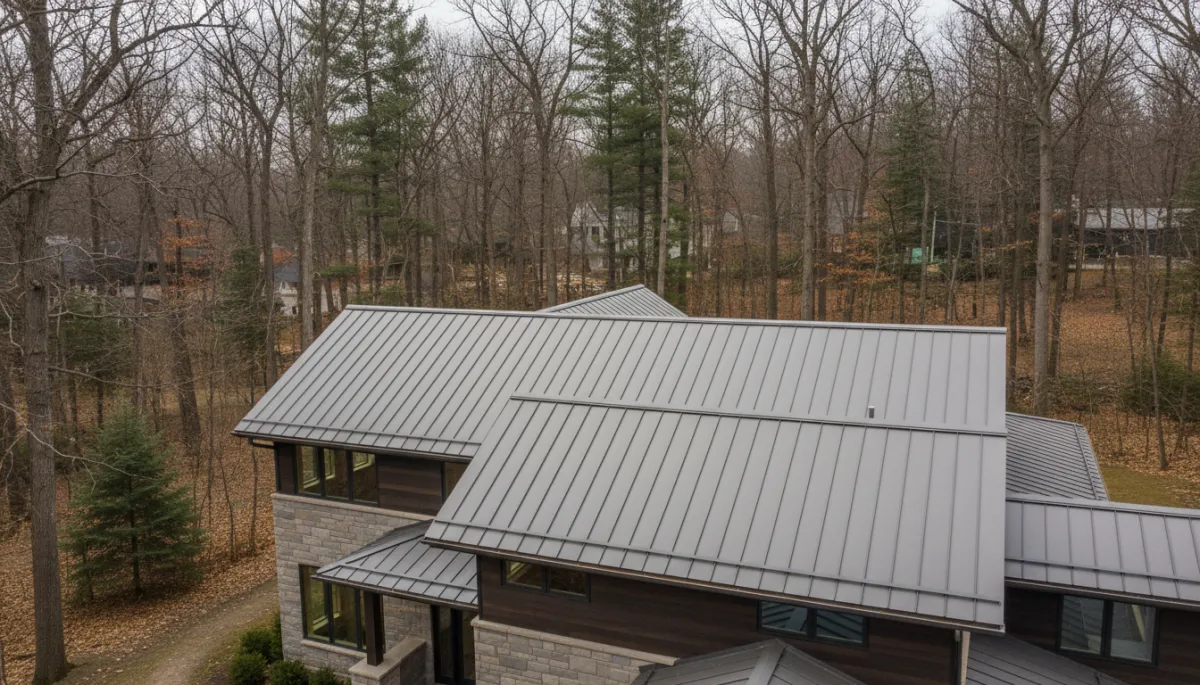
Standing seam metal roofing offers long-term durability and excellent snow-shedding for Wisconsin winters.
Is Metal Roofing in Wisconsin a 50-Year Investment or Overkill?
When homeowners ask about a metal roof, they are usually thinking of standing seam metal roofing. These systems use interlocking vertical panels, often steel, that are mechanically seamed to create a continuous, watertight surface. Properly installed, quality metal roofing can last 40–70 years, far outlasting standard shingles.
For Wisconsin, one of metal’s biggest advantages is its ability to shed snow. Smooth panels and steeper pitches allow snow to slide off more easily, reducing the weight sitting on your structure and lowering the risk of ice dams when combined with proper insulation and ventilation. Metal also handles extreme temperature swings very well and reflects more summer sun than dark shingles, which can help moderate attic temperatures.
The tradeoff is cost. In 2026, standing seam and quality steel panel systems often run in the $18,000–$35,000 range for typical single-family homes, depending on size and complexity. For many households, that is significantly more than a shingle roof. Some homeowners also worry about noise, but with a solid deck and modern underlayments, metal roofs are usually not noticeably louder than shingles during rain or hail.
For Stoughton and Dane County homeowners planning to stay in their homes long-term—or those who want a premium look and minimal future maintenance—metal roofing Wisconsin can be an excellent 50-year investment. For others, high-quality architectural shingles or Class 4 options may deliver a better return on investment. Our team can present both options so you can compare cost, lifespan, and resale value side by side.
What Should You Avoid and How Do You Choose the Right Material?
The first thing we recommend avoiding in Wisconsin is outdated three-tab shingles. They are thinner, lighter, and more vulnerable to wind uplift and hail than modern architectural products. While they may appear cheaper upfront, their shorter life and higher risk of storm damage often make them more expensive over time in our climate.
Whatever material you choose, the roof’s performance depends heavily on what you cannot see. A quality Wisconsin roof includes an appropriate ice and water shield along eaves, valleys, and other vulnerable areas to protect against ice dams and wind-driven rain. Equally important is proper ventilation for Wisconsin climates, which helps keep your attic cold in winter (reducing ice dam risk) and prevents overheating and premature shingle aging in summer.
When you meet with a contractor, ask specific questions: Which shingle or metal lines do you recommend for my home and why? How will you address ventilation and insulation? Where will you install ice and water shield, and which underlayments will you use elsewhere? What wind and impact ratings do these products carry, and how have they performed on other homes in Dane County and Rock County?
During a free roof inspection, Badger Roofing of Wisconsin walks you through these decisions step by step. We inspect your current roof and attic, explain whether a targeted roof repair or full replacement makes more sense, and provide clear options for asphalt shingles, impact-resistant upgrades, and metal. Our goal is to help you choose the roofing material that fits your budget, protects your home, and stands up to Wisconsin weather for years to come.
Get a Free Roof Inspection in Stoughton and Dane County
If you are wondering which roofing material is right for your Wisconsin home in 2026, let a local expert walk your roof and attic with you.
Call Badger Roofing of Wisconsin at (608) 575-3416 or visit https://www.badgerroofingwis.com to schedule your no-obligation inspection.
We are a licensed Wisconsin roofing contractor serving all of Dane County and surrounding communities with honest assessments, clear pricing, and roof systems built for real Wisconsin weather.
More Resources for Wisconsin Homeowners
- How Much Does a Roof Replacement Cost in Wisconsin in 2026?
- How to File a Roof Insurance Claim in Wisconsin
- Roofing resources and articles
Badger Roofing of Wisconsin proudly serves homeowners in Stoughton, Oregon, Cottage Grove, Fitchburg, McFarland, Edgerton, Evansville, Milton, Madison, Janesville, Sun Prairie, Fort Atkinson, and Monona with roofing systems tailored to Wisconsin weather.